

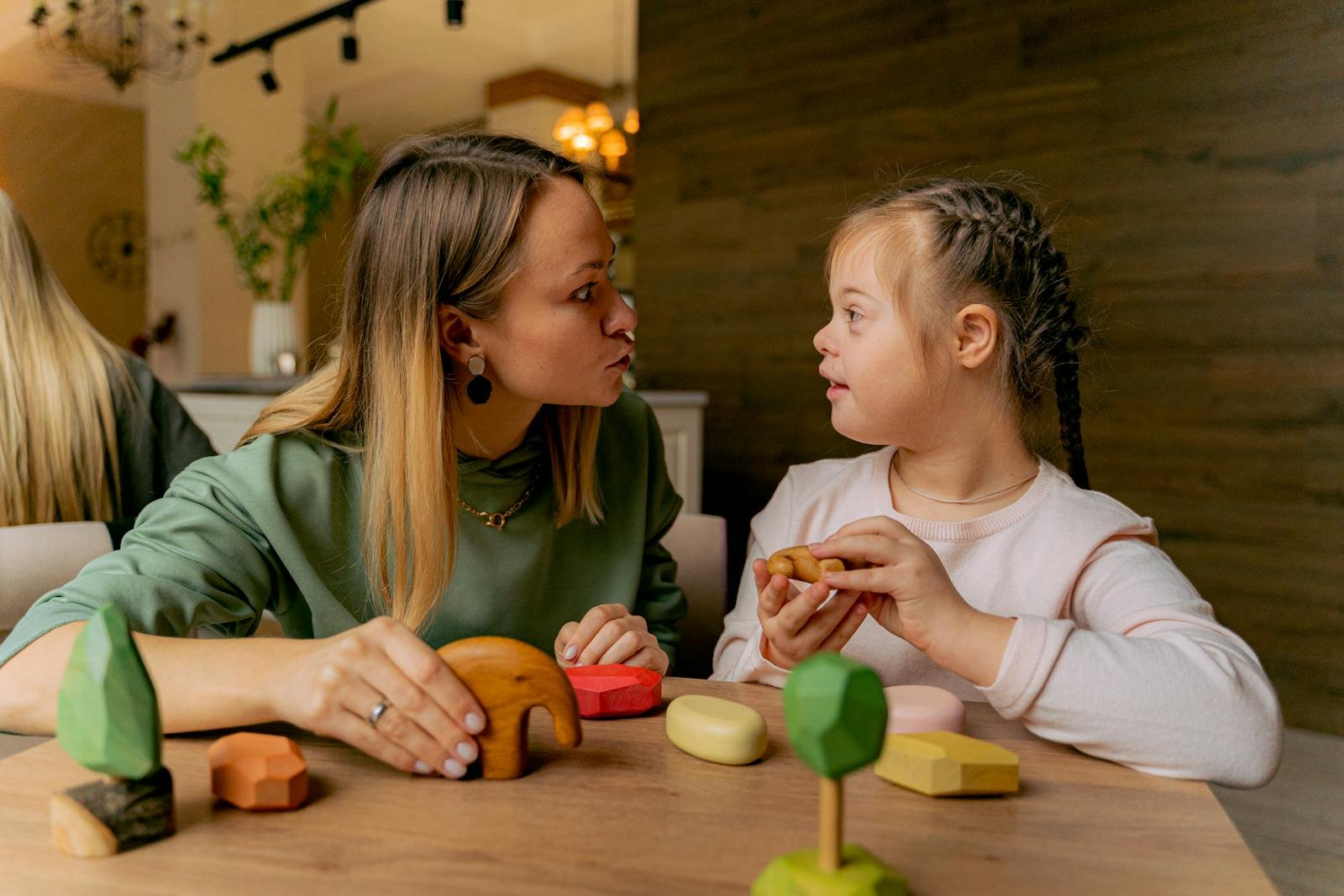
Does your child get overwhelmed by loud noises, refuse to wear certain fabrics, or struggle with coordination? These could be signs of sensory processing challenges. Sensory processing refers to how the nervous system receives, interprets, and responds to sensory information from the environment. While most children naturally adapt to sensory input, some struggle with either heightened sensitivity (over-responsiveness) or decreased sensitivity (under-responsiveness), making everyday activities challenging.
Understanding Sensory Processing
Sensory processing involves taking in information through the five traditional senses (sight, sound, touch, taste, and smell) plus movement (vestibular) and body awareness (proprioception). The brain processes this information to help children navigate their surroundings, but when processing is inefficient, it can affect their ability to function smoothly.
Signs of Sensory Processing Difficulties
Over-Responsive (Hypersensitive): Easily startled by loud noises, avoids touch, struggles with food textures, gets anxious in crowded places.
Under-Responsive (Hyposensitive): Seeks intense movement (jumping, spinning), doesn’t respond to name, has a high pain threshold, appears clumsy.
Sensory Seeking: Constantly touches objects, craves deep pressure (e.g., tight hugs), enjoys rough play.
Sensory Avoiding: Refuses to wear socks or specific clothing, dislikes brushing hair or teeth, avoids certain foods.
How Sensory Processing Affects Daily Life
Children with sensory processing challenges may struggle with:
Getting Dressed: Certain fabrics may feel unbearable, making morning routines stressful.
Mealtimes: Food textures or strong tastes can lead to picky eating or complete refusal.
Classroom Learning: Sensitivity to background noise, difficulty sitting still, or trouble holding a pencil can impact academic performance.
Social Interactions: Avoiding physical touch or struggling with personal space can make friendships challenging.
Sleep Issues: Some children are sensitive to light and sounds, while others may struggle to feel settled without movement or weight on their body.
How Occupational Therapy Can Help
Occupational therapy (OT) provides strategies to help children regulate their sensory responses and function more comfortably in daily life.
Therapeutic Approaches
Sensory Integration Therapy: Helps children process sensory input more effectively through structured play and activities.
Deep Pressure and Proprioceptive Activities: Weighted blankets, compression clothing, and activities like climbing can help children feel more grounded.
Creating a Sensory-Friendly Environment: Adjusting lighting, noise levels, and textures at home and school can reduce sensory overload.
Developing Coping Strategies: Teaching children self-regulation techniques like breathing exercises, movement breaks, or fidget tools can improve focus and comfort.
Supporting Your Child at Home
Parents play a crucial role in helping their child navigate sensory challenges. Here are some practical strategies:
Provide a Sensory Diet: Engage your child in a mix of calming and alerting activities, such as swinging, jumping, or playing with textured objects.
Respect Sensory Preferences: Allow choices in clothing, food, and activities to accommodate sensitivities.
Use Visual Schedules: Structured routines can help children with sensory challenges feel more secure.
Encourage Movement Breaks: Short exercise sessions, like stretching or bouncing on a therapy ball, can improve focus and coordination.
Conclusion
Sensory processing difficulties can impact a child’s daily life in ways that may seem minor to others but feel overwhelming to them. Understanding these challenges and providing the right support can make a world of difference. If your child struggles with sensory processing, occupational therapy can provide valuable tools to help them thrive.
Need expert guidance? Contact Milestone Occupational Therapy Services today to book an assessment and learn how we can support your child’s sensory development.
