

Understanding Paediatric Occupational Therapy
Paediatric Occupational Therapy (OT) is a specialised branch of therapy designed to help children develop the skills they need to grow, learn, and thrive in daily life. It focuses on enhancing a child’s ability to perform everyday activities independently, such as playing, learning, and self-care.
Why is Occupational Therapy Important for Children?
Children with physical, cognitive, sensory, or developmental challenges may struggle with everyday tasks. Paediatric OT provides structured, personalised support to help them overcome these challenges and reach their full potential.
Key Benefits of Paediatric OT:
✅ Improves fine and gross motor skills
✅ Enhances handwriting and school performance
✅ Supports sensory processing and emotional regulation
✅ Promotes independence in daily activities
✅ Boosts confidence and social skills
Who Can Benefit from Paediatric OT?
Paediatric OT is beneficial for children with various conditions, including:
Autism Spectrum Disorder (ASD) – Support for sensory sensitivities and social interaction skills.
Attention Deficit Hyperactivity Disorder (ADHD) – Strategies for focus, impulse control, and organisation.
Developmental Coordination Disorder (DCD) – Assistance with motor skills and coordination.
Sensory Processing Disorder (SPD) – Techniques to regulate sensory input for better daily functioning.
Physical or Cognitive Disabilities – Adaptive strategies to enhance independence in daily life.
What Happens in a Paediatric OT Session?
Every child is unique, and therapy sessions are tailored to meet individual needs. Here’s what a typical session might include:
Assessment & Goal Setting – The therapist evaluates the child’s strengths and challenges.
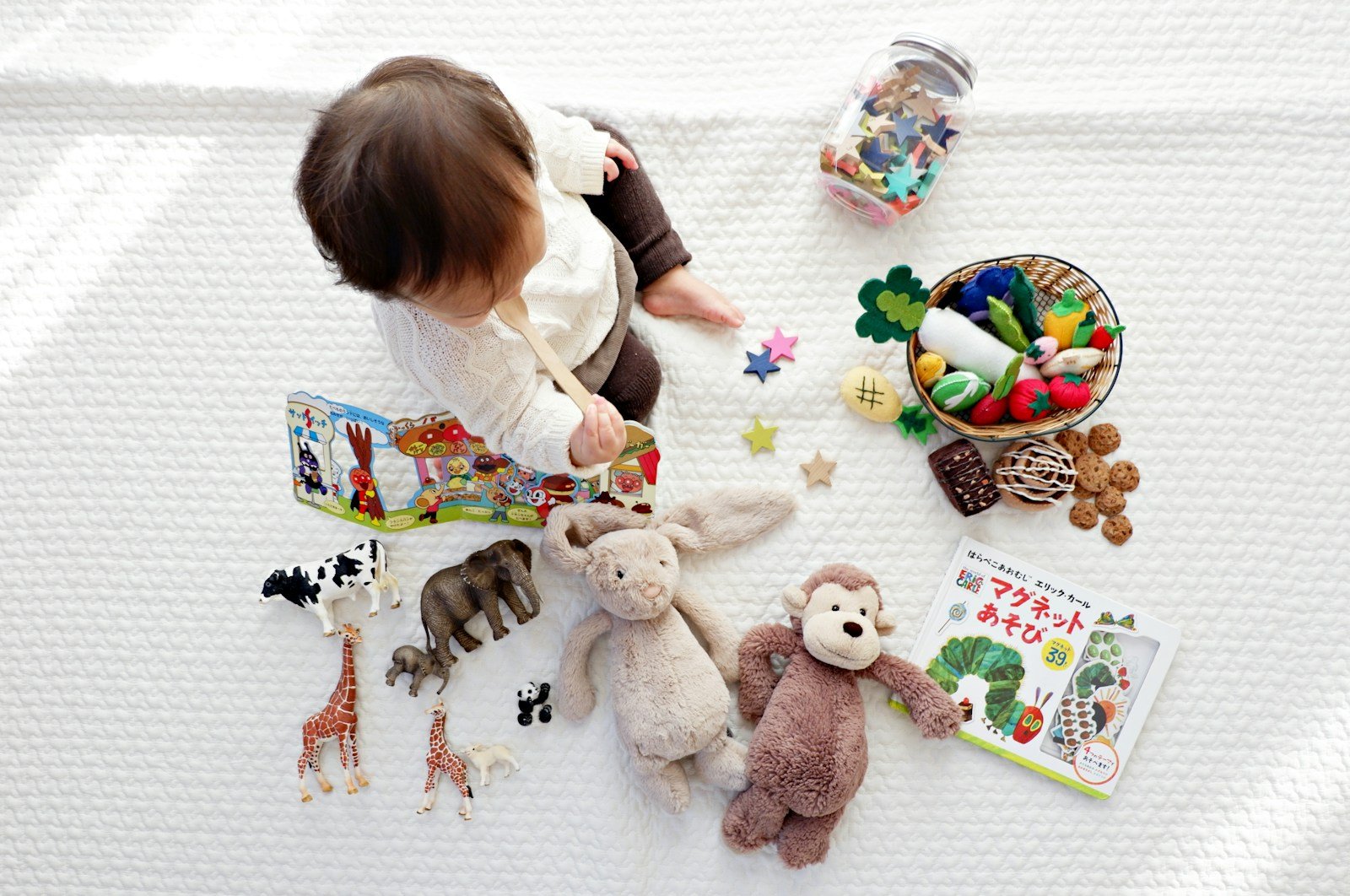
Play-Based Therapy – Engaging activities that help develop motor, cognitive, and sensory skills.
Handwriting & Fine Motor Training – Exercises to improve coordination and writing ability.
Sensory Integration Activities – Techniques to help children regulate their sensory responses.
Parent & Caregiver Guidance – Practical strategies to continue therapy at home and school.
How to Know if Your Child Needs OT?
If your child struggles with any of the following, it may be time to consider OT:
Difficulty holding a pencil or using scissors
Challenges with dressing, eating, or using the toilet independently
Sensitivity to sounds, textures, or movement
Trouble following instructions or staying focused
Poor balance, coordination, or frequent clumsiness
How to Get Started with Paediatric OT
Consult a Professional – Speak to a paediatrician or occupational therapist for an evaluation.
Schedule an OT Assessment – A detailed assessment helps identify specific needs and goals.
Begin Therapy Sessions – Regular sessions will help your child develop essential skills over time.
