

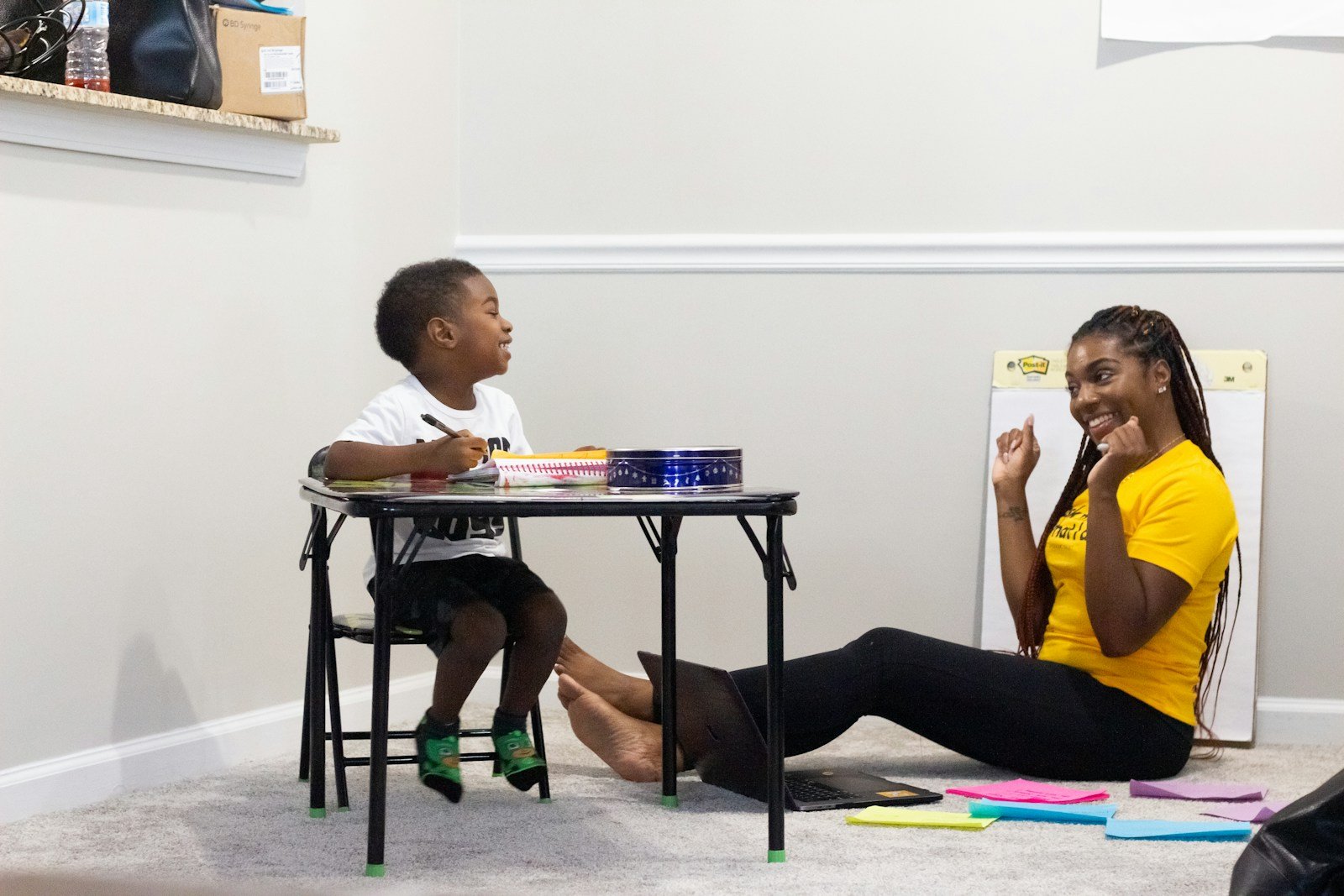
Occupational therapy (OT) plays a crucial role in helping children develop essential skills for daily life. Whether your child is working on motor coordination, sensory processing, or social-emotional skills, reinforcing OT strategies at home can significantly enhance their progress. Parents and caregivers can create a supportive environment that encourages learning and independence. Here’s how you can effectively support your child’s occupational therapy journey from home.
1. Create a Structured Routine
Children thrive on consistency, and having a predictable daily routine can reduce anxiety and help them develop good habits.
Set regular times for meals, play, learning, and therapy activities.
Use visual schedules with pictures or checklists to help your child follow their routine independently.
Give advance warnings before transitions (e.g., “In five minutes, we will start our OT exercises.”).
2. Encourage Sensory-Friendly Activities
For children with sensory processing challenges, everyday experiences can be overwhelming. Creating a sensory-friendly environment can improve their comfort and focus.
Provide calming spaces with weighted blankets, soft lighting, or noise-canceling headphones.
Engage in sensory play activities such as playing with textured materials (sand, rice, or playdough), swinging, or water play.
Observe your child’s responses to sensory input and adjust activities accordingly.
3. Develop Fine and Gross Motor Skills Through Play
Play is a natural way for children to develop their motor skills. Simple, fun activities can improve coordination and strength.
Fine Motor Activities: Encourage activities like cutting with scissors, stringing beads, coloring, or using tweezers to pick up small objects.
Gross Motor Activities: Include exercises like jumping, crawling through obstacle courses, playing catch, or balancing on one foot.
Break down tasks into small steps and celebrate each success to build confidence.
4. Support Handwriting and Coordination
If your child is working on handwriting and coordination, practicing at home in a low-pressure environment can be beneficial.
Use raised-line paper or a slant board to assist with letter formation.
Let your child use different tools like chalk, crayons, or finger paints to make writing more engaging.
Encourage activities like mazes, dot-to-dot drawings, or tracing shapes to develop hand control.
5. Foster Independence in Daily Tasks
Helping your child gain independence in everyday activities builds their confidence and practical skills.
Encourage self-care skills like dressing, brushing teeth, and eating with utensils.
Use adaptive tools if needed, such as Velcro shoes, easy-grip utensils, or button hooks.
Allow extra time for your child to complete tasks independently without rushing them.
6. Incorporate Social and Emotional Development
Children receiving OT often benefit from social skills and emotional regulation support.
Practice turn-taking and sharing through board games and interactive play.
Teach calming techniques such as deep breathing, counting, or using a “calm-down corner.”
Use social stories to help your child understand different social situations.
7. Stay Connected with Your Child’s Occupational Therapist
Collaboration with your child’s therapist ensures that home activities align with their therapy goals.
Attend therapy sessions when possible to observe strategies in action.
Ask for customized exercises and home recommendations.
Keep a journal of your child’s progress and any challenges to discuss in therapy sessions.
Conclusion
Supporting your child’s occupational therapy at home doesn’t have to be complicated. By creating a structured routine, encouraging sensory-friendly activities, and incorporating skill-building exercises into daily life, you can help your child make meaningful progress. Remember, small, consistent efforts lead to big improvements over time. If you need personalized guidance, reach out to Milestone Occupational Therapy Services for expert support tailored to your child’s needs.
Want expert advice? Contact us today to learn how we can support your child’s development and independence!
